
Our History
How it Started
Riot Games was founded in 2006 by Brandon Beck and Marc Merrill in Los Angeles, California, with the goal of creating player-focused games.
Originally launched to develop League of Legends, Riot Games quickly rose to prominence after the game’s release in 2009, revolutionizing the MOBA genre and free-to-play model. In 2011, Riot was acquired by Tencent, which helped expand its global reach. Over the years, Riot diversified its portfolio with titles like Valorant, Teamfight Tactics, Legends of Runeterra, and Wild Rift, while also investing heavily in esports, community engagement, and entertainment, including the Emmy-winning animated series Arcane. Today, Riot operates in over 20 countries and continues to shape the gaming industry through innovation and storytelling

ESPORTS
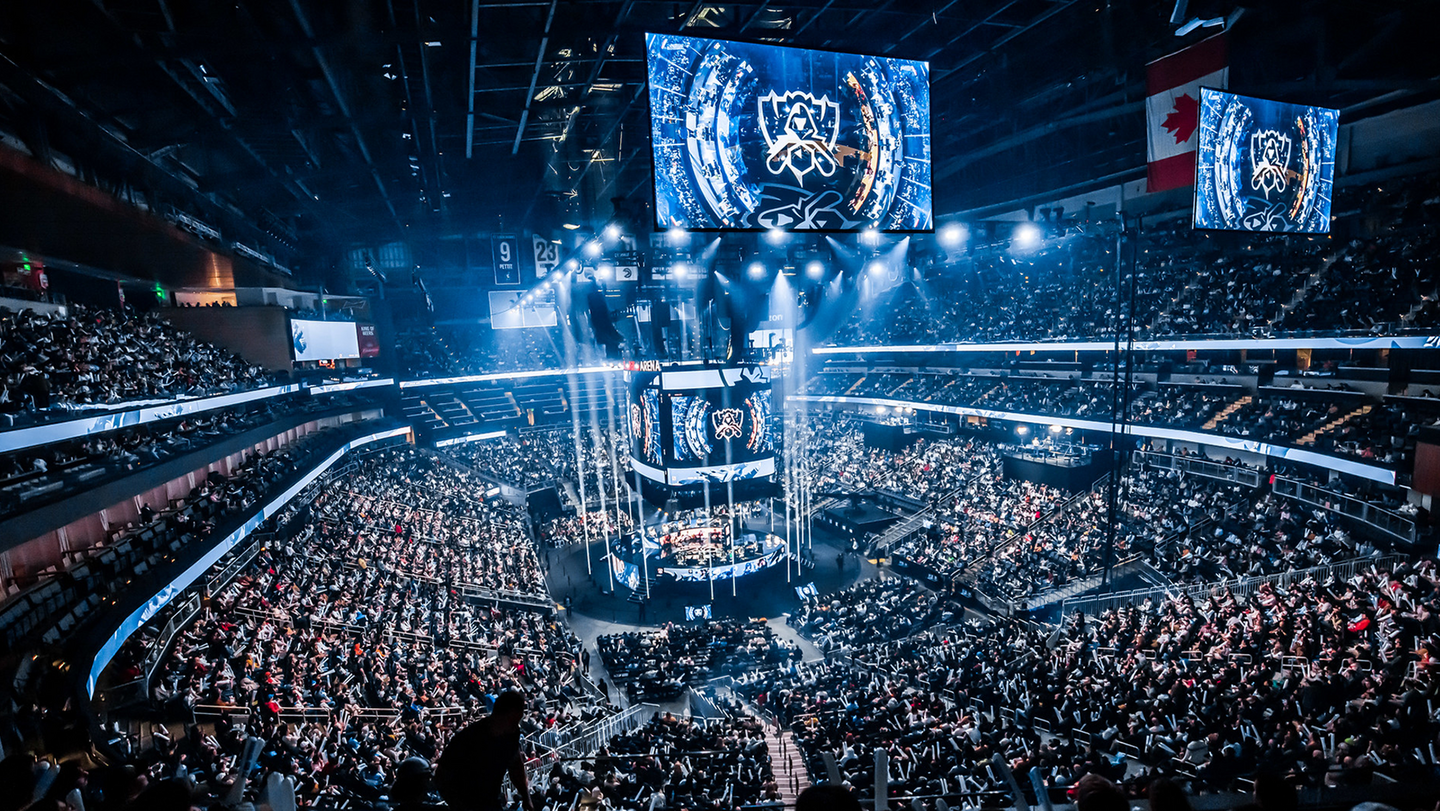
Riot Games Esports is a global competitive ecosystem built around Riot’s flagship titles, most notably League of Legends and Valorant. Since launching the League of Legends World Championship in 2011, Riot has become a leader in organizing large-scale, professional esports events. Its ecosystem includes regional leagues like the LCS, LEC, LCK, and LPL, culminating in international tournaments such as MSI and Worlds. Riot also runs the Valorant Champions Tour (VCT), a structured global circuit that showcases top talent and regional rivalries. With high production values, passionate fanbases, and a commitment to competitive integrity, Riot has helped shape esports into a mainstream global phenomenon.
Riot Games entered the esports arena in 2010 with the launch of the League of Legends World Championship, which has since evolved into one of the most prestigious and widely viewed esports events in the world. The company established LoL Esports as the governing body for its competitive League of Legends scene, organizing regional leagues such as the LCS (North America), LEC (Europe), LCK (Korea), and LPL (China). These leagues culminate annually in the World Championship, drawing millions of viewers and showcasing top-tier talent from around the globe.
Beyond League of Legends, Riot expanded its esports footprint with Valorant, a tactical first-person shooter that launched in 2020. Valorant quickly gained traction in the competitive gaming community, leading to the creation of the Valorant Champions Tour (VCT). Riot has also introduced initiatives like Game Changers, aimed at increasing diversity and inclusion in esports by supporting women and marginalized genders in competitive play.
Riot’s approach to esports is deeply integrated with its broader entertainment strategy. The company has leveraged its games to produce music, animated series like Arcane, and immersive in-game events that engage fans beyond the matches themselves. This multi-platform strategy has helped Riot cultivate a massive global audience, with over 180 million monthly players across its titles. As esports continues to evolve, Riot remains committed to refining its competitive formats and expanding its reach, recently announcing strategic adjustments to its League of Legends esports structure to better align with changing viewer habits and industry trends.